
Transforming your home into a space that reflects your personality and meets your lifestyle needs can be an exciting journey. Whether you’re looking to refresh a single room or undertake a complete home makeover, innovative interior design ideas can help breathe new life into your living space. In this article, we’ll explore creative design concepts, practical tips, and inspiring trends to help you unleash your home’s potential.
1. Embrace Open Spaces
Open Floor Plans
One of the most popular trends in modern interior design is the open floor plan. By removing unnecessary walls, you can create a more spacious and inviting atmosphere.
- Benefits of Open Spaces: Open layouts enhance natural light flow and promote a sense of connection between different areas of your home. They are particularly beneficial for entertaining, allowing for seamless movement between the kitchen, dining, and living areas.
Zoning Areas
If you have an open floor plan, consider using furniture placement, rugs, or decorative screens to define different areas. This creates a sense of organization while maintaining the openness of the space.
2. Play with Color
Bold Accent Walls
Adding a bold accent wall can dramatically change the mood of a room. Choose a vibrant color or a textured wallpaper to create a focal point.
- Choosing Colors: Consider the overall color scheme of the room. For example, a deep navy accent wall can add sophistication to a light and airy room, while a bright yellow can inject energy and warmth into a space.
Harmonious Color Palettes
When selecting colors for your home, aim for a harmonious palette that flows from room to room. Use color theory to create balance and evoke specific emotions.
- Cool Tones: Blues and greens promote calmness and relaxation, making them ideal for bedrooms and bathrooms.
- Warm Tones: Reds, oranges, and yellows can energize spaces like kitchens and living rooms.
3. Incorporate Natural Elements
Biophilic Design
Integrating natural elements into your home can enhance well-being and create a calming environment. Biophilic design focuses on connecting indoor spaces with nature.
- Indoor Plants: Introduce a variety of indoor plants to improve air quality and add a touch of greenery. Consider low-maintenance options like snake plants, pothos, or succulents if you’re new to plant care.
- Natural Materials: Use materials like wood, stone, and bamboo in your furniture and decor to create a warm and inviting atmosphere.
Natural Light
Maximizing natural light can transform your home. Consider the following:
- Window Treatments: Use sheer curtains to allow light in while maintaining privacy, or opt for blinds that can be adjusted throughout the day.
- Mirrors: Strategically placing mirrors can reflect light and create the illusion of a larger space.
4. Emphasize Functional Furniture
Multi-Functional Pieces
In smaller homes or apartments, multi-functional furniture can save space and enhance functionality. Look for pieces that serve multiple purposes:
- Sofa Beds: Perfect for accommodating guests without sacrificing space.
- Storage Ottomans: These provide both seating and hidden storage for blankets or toys.
Custom Solutions
Consider custom-built furniture tailored to your space. Built-in shelves, benches, or desks can maximize functionality and add a unique touch to your home.
5. Personalize Your Space
Unique Decor
Incorporate personal touches that reflect your style and interests. This can include:
- Artwork: Display artwork that resonates with you, whether it’s paintings, photographs, or sculptures. Create a gallery wall for an eclectic and personal touch.
- Family Heirlooms: Incorporate meaningful items or heirlooms into your decor to tell your story and add character to your space.
Themed Rooms
Consider creating themed rooms that reflect your interests or hobbies. Whether it’s a reading nook, a music room, or a craft space, dedicating areas to your passions can enhance enjoyment and comfort.
6. Update Lighting Fixtures
Layered Lighting
Lighting plays a crucial role in setting the mood of a room. Employ a layered lighting approach that combines ambient, task, and accent lighting.
- Ambient Lighting: General lighting, such as ceiling fixtures or chandeliers, provides overall illumination.
- Task Lighting: Use focused lighting, like desk lamps or under-cabinet lights, for specific activities.
- Accent Lighting: Highlight architectural features, artwork, or plants with decorative lighting to create visual interest.
Statement Fixtures
Consider upgrading to statement lighting fixtures that serve as focal points in your rooms. A bold chandelier or unique pendant lights can add personality and style.
7. Incorporate Texture
Layering Textures
Adding different textures to your decor can create depth and visual interest. Consider mixing materials such as:
- Soft Fabrics: Incorporate plush cushions, throws, and rugs to create a cozy atmosphere.
- Natural Textures: Use woven baskets, wooden accents, or stone surfaces to bring an organic feel to your space.
Textured Wall Treatments
Consider textured wall treatments, such as shiplap, wallpaper, or decorative panels, to add dimension and character to your rooms.
Conclusion
Transforming your home into a beautiful and inviting space is an exciting journey that involves creativity, planning, and personal expression. By embracing open spaces, playing with color, incorporating natural elements, emphasizing functional furniture, personalizing your decor, updating lighting, and layering textures, you can breathe new life into your living environment. Remember that your home should reflect your personality and lifestyle, so take the time to explore and implement ideas that resonate with you. With thoughtful design and a little effort, you can create a space that feels comfortable, stylish, and uniquely yours!
Related Posts
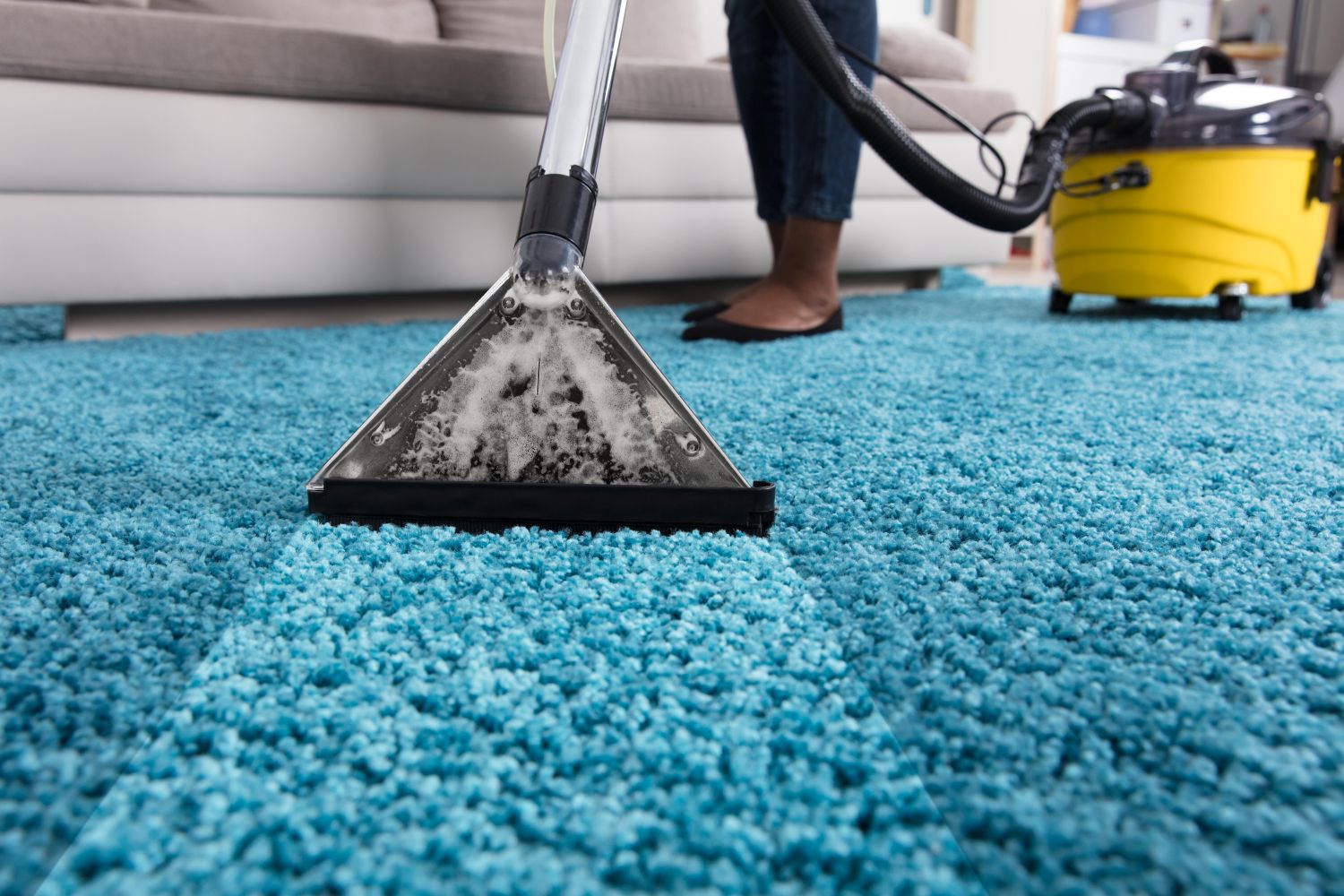
A Guide to Selecting the Best Carpet Cleaning Shop for Your Needs
Carpets can significantly enhance the aesthetic appeal and comfort of…

How to Access Global Markets from the Philippines via MT5 Web Terminal
Imagine unlocking the world's financial markets right from Manila-Forex pairs,…

Secrets to Keeping Your Floors Spotlessly Clean
Maintaining clean floors is essential for creating a welcoming and…